

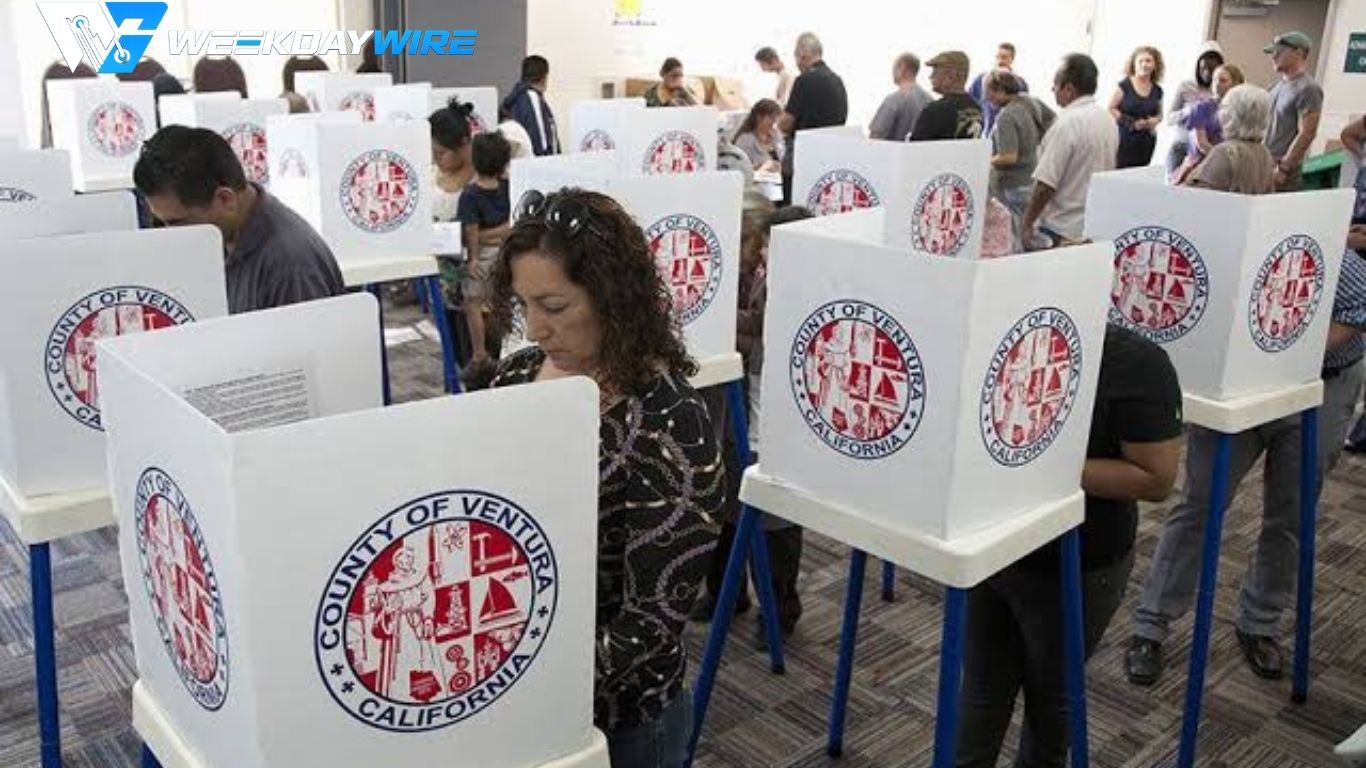
Voter participation is one of the most important foundations of a healthy democracy. Elections give citizens the opportunity to influence leadership, public policy, government priorities, and the future direction of their communities. Yet democratic systems can only represent the public effectively when people actively participate in them.
In modern societies, voting is about more than selecting a candidate. It is a way for citizens to communicate their priorities, hold leaders accountable, and participate in decisions that may affect education, healthcare, taxation, employment, infrastructure, public safety, and many other areas of everyday life.
What Is Voter Participation?
Voter participation generally refers to eligible citizens taking part in elections by registering to vote and casting their ballots. It is often measured through voter turnout, which represents the percentage of eligible or registered voters who participate in a particular election.
However, democratic participation extends beyond election day. Citizens can also participate by learning about candidates, researching public issues, attending community meetings, contacting representatives, joining public discussions, supporting civic organizations, and encouraging others to become informed voters.
Voting remains one of the most direct and accessible ways for citizens to influence government. Each ballot contributes to the collective decision about who should represent the public and, in some electoral systems, how particular policy questions should be addressed.
Voter Participation Is Essential to Democracy
Democracy is based on the principle that political authority ultimately comes from the people. Elections provide a structured way for citizens to decide who will exercise that authority on their behalf.
When voter participation is strong, election results generally reflect the preferences of a broader section of the eligible population. When participation is low, a relatively small percentage of citizens may determine outcomes that affect the entire community.
Broad participation therefore helps make democratic government more representative. It ensures that political decisions are influenced by a wider range of experiences, priorities, and perspectives rather than primarily by the groups most likely to vote.
Voting Gives Citizens a Voice in Government
One of the clearest reasons voter participation matters is that voting gives individuals a formal voice in government.Citizens may have different opinions about economic policy, education, healthcare, environmental protection, infrastructure, national security, taxation, housing, and social programs. Elections allow those competing priorities to be expressed through the democratic process.
A single vote may appear small compared with millions of ballots cast across a country. Democracy, however, works through the combined choices of individual voters. Every election result is ultimately created by individual citizens deciding whether to participate and whom or what to support.
Voter Participation Strengthens Political Representation
Effective democracy depends on political representation. Elected officials are expected to represent the interests and concerns of the communities they serve.High voter participation can encourage political parties and candidates to communicate with a broader range of citizens. When different age groups, economic backgrounds, communities, and social groups participate in elections, political leaders have stronger incentives to understand their priorities.
Low participation can create representation gaps. If certain groups vote consistently while others rarely participate, political campaigns and elected officials may naturally pay greater attention to reliable voting populations.Increasing voter participation can therefore help create a political system in which more citizens have an opportunity to influence public priorities.
Elections Hold Political Leaders Accountable
Accountability is another major reason voting is important in democracy.Elections allow citizens to evaluate the performance of political leaders. Voters can consider whether elected officials have fulfilled campaign promises, managed public resources responsibly, responded to community concerns, and governed effectively.
When voters approve of an official’s performance, they may choose to support that person again. When they are dissatisfied, elections provide a peaceful and structured method of supporting an alternative.
This regular possibility of electoral change encourages public officials to remain aware that their decisions can have political consequences.Strong voter participation makes this accountability mechanism more meaningful because a larger portion of the public participates in evaluating leadership.
Voting Influences Policies That Affect Everyday Life
Politics can sometimes feel distant from everyday life, but government decisions influence many routine experiences.
Elected governments make or influence decisions involving:
- Education and public schools
- Roads and transportation
- Healthcare systems
- Employment regulations
- Taxes and government spending
- Housing and urban development
- Public safety and emergency services
- Environmental policies
- Business regulations
- Social services and community programs
Local elections can be particularly important because local governments frequently make decisions that have immediate effects on neighborhoods and communities.Voting gives citizens an opportunity to consider these issues and support candidates or proposals that most closely reflect their priorities.
Local Elections Matter Too
National elections usually receive the greatest media attention, but voter participation in local elections is equally important.Mayors, councils, school boards, municipal authorities, and other local representatives may influence decisions concerning roads, schools, public spaces, development projects, sanitation, zoning, local taxes, and community services.
Turnout in smaller elections can sometimes be lower than in major national contests. As a result, each participating voter may represent a larger share of the electorate.Citizens who want to influence the quality and direction of their communities should therefore pay attention not only to national elections but also to regional and local democratic processes.
Voter Participation Encourages Government Responsiveness
Governments are more likely to understand public concerns when citizens actively communicate their priorities.Voting provides one important signal about what communities expect from their representatives. High participation can demonstrate that citizens are paying attention to political decisions and are willing to evaluate leaders through elections.
This can encourage governments to respond more carefully to concerns involving the economy, public services, infrastructure, education, healthcare, and other major issues.Voting alone does not guarantee that every citizen will receive the policies they prefer. Democracy involves disagreement and compromise. However, widespread participation helps ensure that governments receive political feedback from a larger portion of society.
Participation Supports the Legitimacy of Democratic Institutions
Public confidence is important for stable democratic institutions.When citizens participate in transparent and credible electoral processes, elections can provide governments with democratic legitimacy—the recognition that political authority has been established through accepted rules and public participation.
High participation can demonstrate public engagement with democratic institutions even when voters strongly disagree about candidates or policies.A healthy democracy does not require everyone to share the same political opinions. In fact, disagreement is normal. What matters is that citizens have peaceful mechanisms for expressing those differences and determining political leadership.
Young Voters Can Shape the Future
Youth voter participation is particularly important because many government decisions have long-term consequences.Policies involving education, employment, housing affordability, public debt, technology, climate, economic development, and infrastructure can affect younger generations for decades.
When young adults participate in elections, candidates and political organizations have greater incentives to address issues that matter to them.Developing voting habits early can also contribute to long-term civic participation. A generation that understands democratic institutions and participates consistently can play an important role in maintaining an engaged political culture.
Why Some Citizens Do Not Vote
Despite the importance of voter participation, many eligible citizens do not vote in every election.Reasons for low voter turnout vary significantly between countries and communities. Common factors may include lack of political information, registration difficulties, transportation problems, scheduling conflicts, distrust in political institutions, dissatisfaction with available candidates, or a belief that one vote will not make a difference.
Some citizens may also find political information confusing or overwhelming.Addressing these challenges requires more than simply telling people to vote. Governments, election authorities, educational institutions, media organizations, and civil society groups can contribute by making accurate election information easier to understand and helping eligible citizens understand how the voting process works.
The Importance of Informed Voting
Participation alone is not the only goal. Informed voter participation is equally important.Before casting a ballot, voters can research candidates, political parties, policy proposals, and relevant public issues. They should consider information from multiple reliable sources rather than depending entirely on campaign advertisements, viral social media posts, or partisan claims.
An informed voter may ask:What policies does this candidate support? What is the candidate’s previous record? Are campaign promises realistic? How could proposed policies affect the community? What credible evidence supports the claims being made?Thoughtful research helps voters make decisions based on information rather than rumors or emotional manipulation.
Social Media and Modern Voter Participation
Technology has transformed political communication. Social media allows political information to spread rapidly and enables candidates, journalists, organizations, and citizens to communicate directly with large audiences.
This accessibility can increase political awareness and encourage participation. At the same time, digital platforms can also spread misleading claims, manipulated content, and information presented without important context.Modern voters therefore need strong digital literacy skills.
Before sharing or accepting political information, citizens should consider the original source, publication date, supporting evidence, and whether reputable independent sources confirm the claim.Responsible digital behavior is increasingly becoming part of responsible democratic participation.
Every Vote Contributes to the Democratic Process
People sometimes decide not to participate because they believe one vote cannot influence an election.While a single ballot rarely determines a major national election by itself, this argument overlooks how elections actually work. Every total is made up of individual votes.
If thousands of citizens independently decide that their votes do not matter, their collective absence can significantly influence an outcome.In addition, some local elections and smaller contests can be decided by relatively narrow margins. Participation therefore matters not only symbolically but practically.The influence of voting should be understood collectively: democracy reflects the choices of the citizens who actually participate.
Voter Participation Promotes Civic Engagement
Voting can also encourage broader involvement in community life.Citizens who follow elections may become more interested in public meetings, community projects, policy discussions, volunteering, advocacy, and communication with elected representatives.This broader civic engagement can help communities identify problems and develop solutions.
Democracy works most effectively when citizenship is viewed as an ongoing responsibility rather than an activity that happens only on election day. Voting can be an important starting point for deeper involvement in public affairs.
How Communities Can Encourage Voter Participation
Increasing participation requires making democratic processes understandable and accessible to eligible citizens.Civic education can teach people how elections work, what different levels of government do, and why public participation matters. Clear election information can help voters understand registration requirements, polling locations, voting procedures, deadlines, and ballot choices.
Schools and universities can strengthen civic knowledge among younger citizens. Community organizations can encourage nonpartisan voter education. Election authorities can provide accurate and accessible information.Media organizations also have an important responsibility to explain political issues clearly, examine competing claims, and distinguish factual reporting from opinion.
The goal should not be to tell citizens whom to support. Instead, democratic societies benefit when people have the knowledge and practical opportunity necessary to make their own informed choices.
The Relationship Between Voting and a Healthy Democracy
A healthy democracy depends on more than elections. Independent institutions, the rule of law, civil liberties, accountable government, access to reliable information, and peaceful political competition are also essential.Still, voter participation remains a central component.
Voting connects citizens directly to the selection of political leadership. It allows governments to be renewed or replaced through peaceful procedures and gives citizens a regular opportunity to express their political preferences.
When people participate, they reinforce the principle that government should remain accountable to the public.When large numbers consistently disengage, democratic representation can become less reflective of the population as a whole.
Frequently Asked Questions
Why is voter participation important in a democracy?
Voter participation is important because it allows citizens to choose their representatives, influence government policies, and hold political leaders accountable for their decisions.
How does voting strengthen democracy?
Voting strengthens democracy by ensuring that government leadership reflects the preferences of the public. Higher voter turnout can also improve political representation and public trust in democratic institutions.
What happens when voter participation is low?
Low voter participation can result in election outcomes being decided by a smaller portion of the population. This may reduce how accurately elected leaders represent the interests of the wider community.
Why does every vote matter?
Every vote contributes to the final election result. In close elections, especially at the local level, even a relatively small number of votes can influence which candidate or policy proposal wins.
Why is informed voting important in modern democracy?
Informed voting helps citizens make decisions based on reliable information, candidate records, policy proposals, and community needs rather than rumors, misinformation, or emotional political messaging.
Conclusion
Voter participation is a fundamental part of a strong and healthy democracy. By voting, citizens have the opportunity to choose their representatives, influence public policies, and hold elected leaders accountable. Higher participation also helps ensure that government decisions reflect the needs, priorities, and opinions of a broader section of society.
In modern democracy, every eligible voter has a role to play. Informed and active participation can strengthen political representation, encourage government responsiveness, and build greater public confidence in democratic institutions. While voting alone cannot solve every social or political challenge, it remains one of the most powerful tools citizens have to shape their communities and their country’s future. Ultimately, democracy becomes stronger when more people understand their civic responsibilities, stay informed, and make their voices heard through the electoral process.
