

Increasingly digital world, meaningful face-to-face connections are more important than ever. People may communicate through social media, messaging apps, and online communities every day, but strong neighborhoods are often built through real-world experiences. This is where local events play an important role.
From community festivals and farmers’ markets to charity fundraisers, cultural celebrations, sports tournaments, and neighborhood cleanups, local events give people opportunities to meet, communicate, and work toward shared goals. These gatherings are more than entertainment. They can strengthen relationships, support local businesses, celebrate culture, encourage civic participation, and create a stronger sense of belonging.
Why Local Events Matter to Communities
Local events create shared experiences. When residents gather in the same place for a common purpose, they have opportunities to interact with people they may otherwise never meet.A person might live on the same street as someone for years without having a meaningful conversation. A community festival, outdoor concert, school fair, or neighborhood activity can provide a natural setting for that first interaction.
These small connections matter because communities are built on relationships. When residents recognize one another, communicate regularly, and share positive experiences, neighborhoods can become friendlier and more connected.Local events can also create a sense of identity. Annual celebrations, traditions, and community gatherings often become part of what makes a town or neighborhood unique.
Local Events Encourage Face-to-Face Connections
One of the greatest benefits of community events is their ability to bring people together in person.Modern technology makes communication easier, but digital conversations do not always provide the same sense of connection as meeting someone face to face. Local events create an environment where people can talk naturally, share experiences, and develop relationships.
Parents attending a school fundraiser may meet other families from the neighborhood. Residents visiting a farmers’ market may start conversations with local growers and business owners. People attending an outdoor movie night may meet neighbors they have never spoken to before.These interactions may appear small, but repeated encounters can gradually build familiarity and trust.
Community Events Create a Sense of Belonging
People generally feel more connected to a place when they actively participate in it.Local events provide opportunities for residents to feel that they are part of something larger than their individual households. Whether someone volunteers at a charity event, attends a cultural festival, or participates in a community sports competition, involvement creates a stronger connection with the surrounding area.
This sense of belonging can be especially valuable for newcomers.Moving to a new town or neighborhood can sometimes feel isolating. Community events provide new residents with an easy way to meet people and learn about local traditions, organizations, businesses, and activities.Over time, participation can transform a location from simply being somewhere a person lives into a place they genuinely consider home.
Local Festivals Celebrate Culture and Diversity
Communities are often made up of people from different cultural, ethnic, and social backgrounds. Local cultural events provide an opportunity to celebrate these differences while encouraging greater understanding.Food festivals, music performances, art exhibitions, heritage celebrations, and cultural fairs allow residents to experience traditions that may be different from their own.
Food is particularly effective at bringing people together. A local food festival featuring dishes from different cultures can encourage conversations and introduce residents to new traditions in an enjoyable environment.Music, dance, crafts, storytelling, and traditional clothing can provide similar opportunities.Rather than allowing cultural differences to separate people, inclusive local events can turn diversity into something the entire community celebrates.
Events Support Local Businesses and Entrepreneurs
Local events do not only strengthen social relationships. They can also contribute to the local economy.Farmers’ markets, street fairs, business exhibitions, craft markets, and seasonal festivals provide opportunities for local entrepreneurs to showcase their products and services.
Small businesses often depend heavily on local customers. Participating in community events can introduce them to residents who may not have discovered their businesses otherwise.a local bakery might sell products at a weekend market, while a handmade jewelry business could display its work at a community craft fair. Restaurants may participate in food festivals, and local service providers can sponsor neighborhood activities.
When residents discover and support local businesses, more money can remain within the community. Strong local businesses can also create jobs and contribute to the character of the area.
Local Events Encourage Community Participation
Strong communities often depend on residents who are willing to participate rather than simply observe.Community events provide accessible ways for people to become involved.
Neighborhood cleanups are a good example. Residents can work together to remove litter, improve public spaces, plant trees, or maintain community gardens. The immediate result is a cleaner neighborhood, but another important result is increased cooperation among residents.Charity drives, volunteer programs, school events, and fundraising activities can have similar effects.
People who participate in one community activity may become more likely to participate in others. Someone who volunteers at a local festival, for example, might later join a neighborhood organization or support another community initiative.This creates a cycle of participation that can make communities more active and resilient.
Events Build Relationships Between Generations
Local gatherings often bring together people of different ages.Children, teenagers, adults, and senior residents may not interact regularly during everyday life. Community events provide a shared space where these generations can meet.
A local sports day might involve children participating in games while parents and grandparents watch. A historical event could allow older residents to share stories about the area with younger generations. Community gardening projects may encourage people of different ages to work alongside one another.
Intergenerational interaction can strengthen community relationships while allowing knowledge and traditions to be shared.Young people can learn about the history and experiences of older residents, while older generations can gain new perspectives from younger members of the community.
Community Events Promote Health and Well-Being
Many local events encourage physical activity and healthier lifestyles.Community walks, charity runs, cycling events, outdoor fitness sessions, sports tournaments, and recreational activities give residents opportunities to exercise while socializing.
The social benefits can be just as important.Isolation and loneliness can affect people of all ages. Regular community activities provide opportunities to leave the house, meet others, and develop supportive relationships.
Events do not necessarily need to involve physical activity to contribute to well-being. Art workshops, book clubs, gardening groups, music performances, and educational programs can provide enjoyable experiences that help people feel socially connected.A community that creates opportunities for participation can help residents feel more engaged with the people around them.
Local Events Create Positive Memories
Shared memories can become an important part of community identity.An annual summer festival, holiday celebration, local parade, or outdoor concert may become something residents look forward to every year.
Families may attend the same event across multiple generations. Children who participate in local celebrations may eventually bring their own children to those events.These traditions create continuity.
Even small events can become meaningful. A neighborhood picnic may not attract thousands of visitors, but residents may remember the conversations, games, food, and experiences they shared.Positive memories strengthen emotional connections between people and places, helping residents feel more attached to their communities.
Events Can Strengthen Trust and Cooperation
Trust develops when people interact consistently and positively.Local events create low-pressure environments where residents can become familiar with one another. Over time, this familiarity can make communication and cooperation easier.This can become particularly valuable when a community faces challenges.
Residents who already know one another may be more willing to cooperate during emergencies, support families experiencing difficulties, or work together to address neighborhood concerns.Community relationships cannot be created instantly during a crisis. They are often developed gradually through everyday interactions.Festivals, meetings, volunteer programs, sports activities, and neighborhood gatherings provide opportunities to build those relationships before they are urgently needed.
Local Events Give Communities a Voice
Community events can also create opportunities for residents to discuss local issues.Town meetings, public forums, workshops, and community planning sessions allow people to share ideas about transportation, public spaces, safety, education, development, and other local concerns.Even entertainment-focused events can create connections between residents and community organizations.
Local nonprofits, schools, public services, and volunteer groups may set up information booths at festivals or fairs. Residents can learn about available resources while organizations gain a better understanding of community needs.When people feel that their opinions matter, they may become more engaged in decisions affecting their neighborhoods.
The Role of Volunteers in Successful Local Events
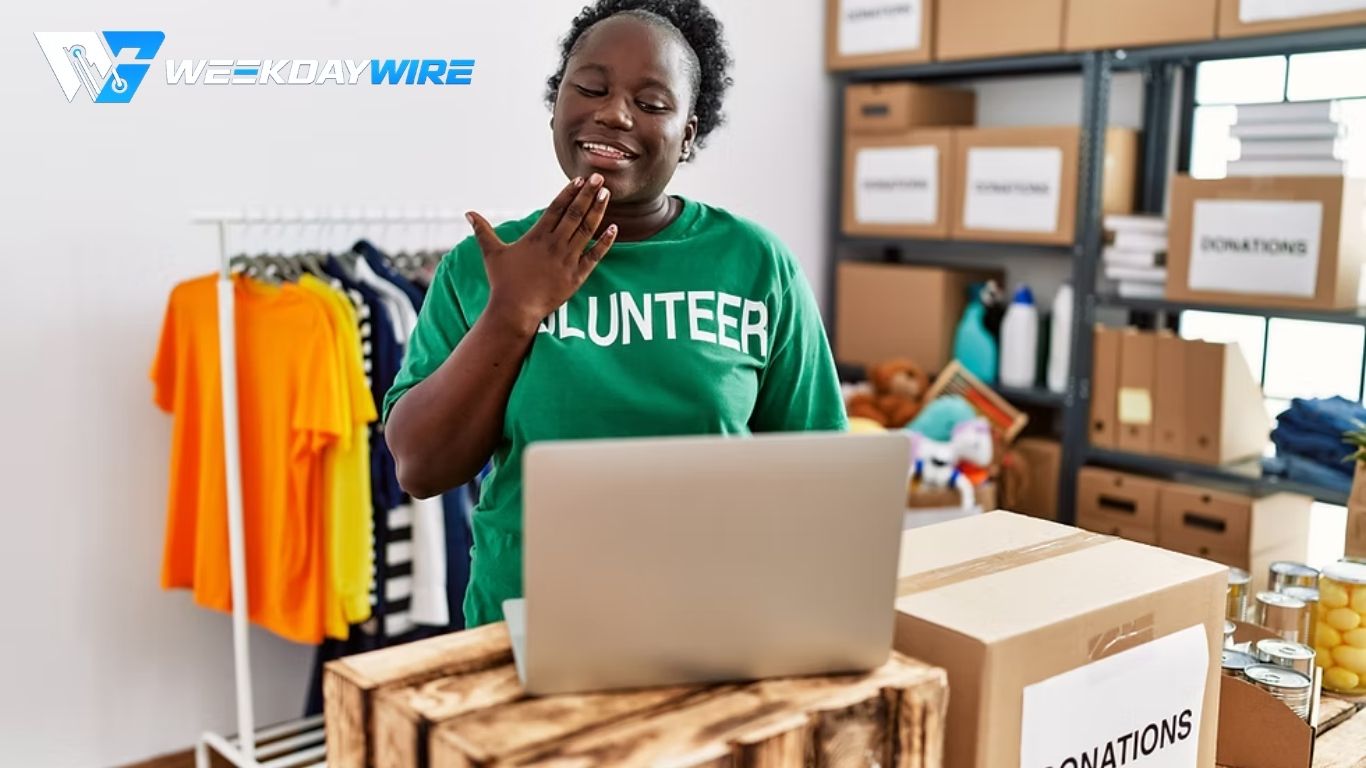
Many community events would not be possible without volunteers.Volunteers may help organize activities, manage registrations, prepare venues, distribute food, coordinate entertainment, clean public spaces, or assist visitors.Volunteering provides more than practical support. Working together toward a shared objective can create strong social connections.
People who begin as strangers may develop friendships while planning an event. Local organizations may form partnerships, and residents may discover skills or interests they did not previously know they had.Recognizing volunteers is equally important. Appreciation can encourage people to continue contributing their time and energy to future community activities.
How Technology Can Help Promote Community Events
Although local events emphasize in-person interaction, technology can make them more accessible.Social media, community websites, email newsletters, messaging groups, and online event calendars can help organizers promote activities and communicate important information.
Digital platforms can also make participation easier by allowing residents to register online, volunteer for specific roles, receive event updates, or share feedback.The most effective approach often combines online communication with offline experiences.Technology can help people discover the event, while the event itself creates the face-to-face connections that strengthen the community.
How to Make Local Events More Inclusive
For community events to truly bring people together, they should be accessible to as many residents as possible.Organizers should consider factors such as location, transportation, physical accessibility, cost, language, age groups, and scheduling.
Free or affordable activities can make participation easier for families with different financial circumstances. Accessible venues can help residents with mobility needs participate comfortably. Activities designed for different age groups can encourage entire families to attend.
Organizers can also invite local cultural groups, businesses, schools, charities, and community organizations to participate.The broader the representation, the more likely residents are to feel that the event belongs to the entire community.
Simple Local Events Can Make a Big Difference
A community event does not need a huge budget or thousands of visitors to be successful.Some of the most meaningful gatherings are surprisingly simple.A neighborhood barbecue, book exchange, community garden day, outdoor movie night, local sports match, charity collection, or street cleanup can provide valuable opportunities for residents to connect.
The key is creating a welcoming environment where people feel comfortable participating.Consistency also matters. A small monthly gathering can sometimes build stronger relationships than one large event held only once.Regular interactions allow residents to develop familiarity, friendships, and trust over time.
The Long-Term Impact of Strong Community Connections
The benefits of community events can continue long after the event itself ends.People may exchange contact information, discover local organizations, develop friendships, support neighborhood businesses, or become volunteers.
These connections contribute to what is often described as social capital—the relationships and networks that help communities cooperate effectively.Communities with strong social connections may be better positioned to solve problems collectively, share resources, support vulnerable residents, and respond to unexpected challenges.Local events therefore represent more than temporary entertainment. They can become part of the social infrastructure that helps communities function effectively.
Frequently Asked Questions
How do local events bring communities together?
Local events bring communities together by creating opportunities for residents to meet, communicate, share experiences, and build stronger relationships with their neighbors.
Why are community events important?
Community events are important because they promote social connection, strengthen local identity, support businesses, encourage participation, and create a greater sense of belonging.
What types of local events help strengthen communities?
Festivals, farmers’ markets, charity events, sports tournaments, cultural celebrations, neighborhood cleanups, workshops, and community fairs can all help strengthen local connections.
How do local events support small businesses?
Local events give small businesses opportunities to promote their products and services, attract new customers, increase brand awareness, and connect directly with local residents.
Can community events improve social well-being?
Yes. Community events can reduce social isolation by giving people opportunities to interact, make new friends, participate in activities, and feel more connected to their local area.
Conclusion
Local events play an important role in creating stronger, more connected communities. From festivals and farmers’ markets to charity drives, cultural celebrations, sports activities, and neighborhood gatherings, these events give people opportunities to meet, communicate, and build meaningful relationships. They also support local businesses, encourage community participation, celebrate diversity, and create a stronger sense of belonging.
Ultimately, local events bring communities together by turning shared spaces into places where people can connect and create lasting memories. Even small gatherings can strengthen trust between neighbors and encourage residents to become more involved in their local area. By supporting and participating in community events, people can help create welcoming, active, and united communities where everyone feels connected.
