

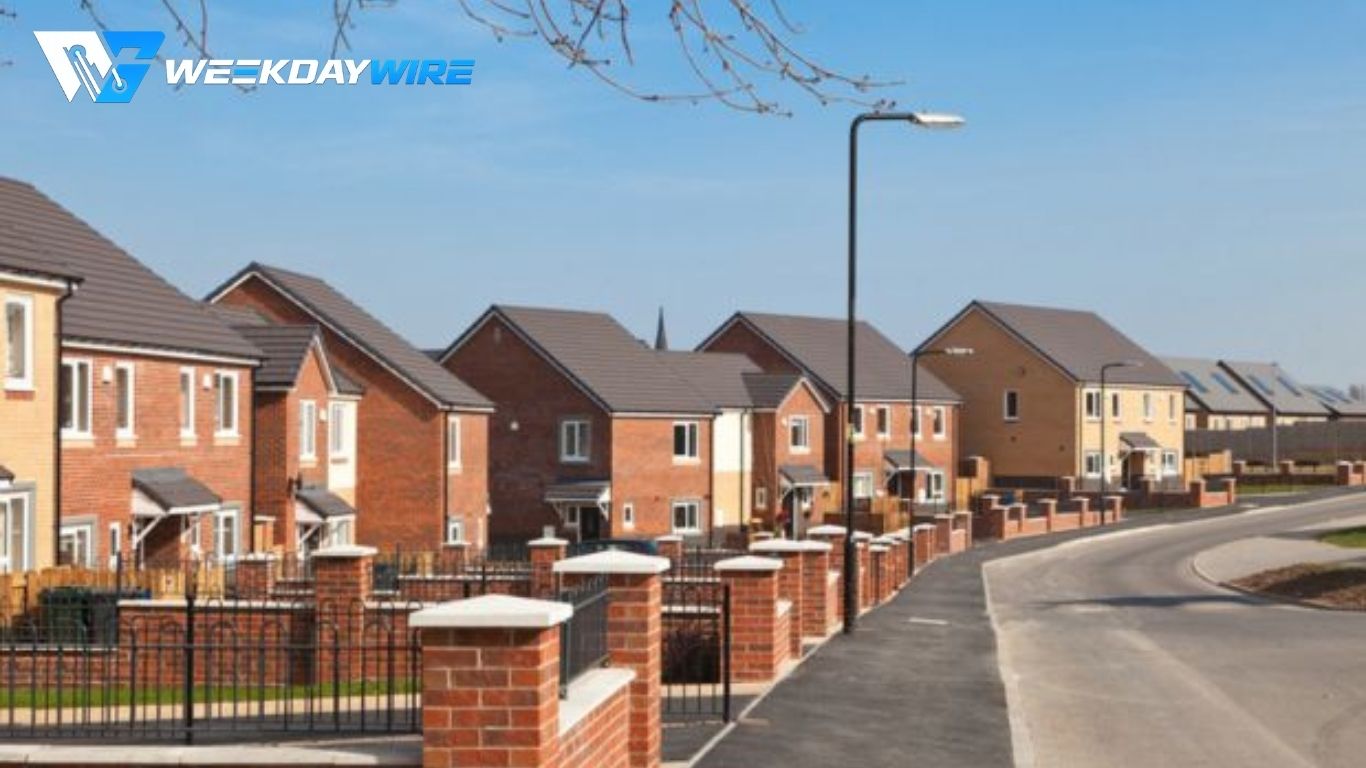
Local communities are constantly changing. New infrastructure projects, improvements in public services, business investments, technology upgrades, transportation plans, and community programs can all influence the way people live and work. Keeping up with the latest local developments is therefore important for residents, business owners, investors, and anyone who wants to understand where their community is heading.
Local development is increasingly connected with digital transformation, smarter infrastructure, improved public safety, better transportation, and more efficient government services. These changes are not limited to major metropolitan areas. Smaller cities and communities are also experiencing new projects designed to improve connectivity, economic opportunities, and quality of life.
Why Latest Local Developments Matter
Local development has a direct impact on everyday life. While national policies often receive more media attention, decisions made at the provincial, municipal, and community levels can have an even more immediate effect on residents.
A newly constructed road may reduce commuting time. A hospital expansion can improve access to healthcare. Broadband infrastructure can give businesses better digital opportunities, while improvements to water and sanitation systems can significantly enhance living conditions.
Development projects can also affect property values, employment opportunities, business activity, and the overall attractiveness of an area.For residents, following local news and community developments provides a better understanding of both current conditions and future opportunities.
Infrastructure Development Remains a Major Priority
Roads, bridges, drainage systems, public buildings, water networks, and other infrastructure remain at the heart of local development.Growing populations place increasing pressure on existing infrastructure. As communities expand, authorities must improve roads, utilities, public spaces, and transportation networks to accommodate additional demand.
Infrastructure continues to receive substantial development funding. The province’s 2026–27 development program includes significant allocations for road networks, irrigation, housing, urban development, water and sanitation, and other public infrastructure.
Infrastructure improvements can provide several benefits, including:
- Reduced travel and commuting times
- Improved access to businesses and markets
- Better connectivity between communities
- Increased investment opportunities
- Improved public services
- New employment during construction
- Greater long-term economic productivity
Residents should pay attention not only to announcements but also to construction timelines, budgets, road closures, and expected completion dates.
Digital Transformation Is Reaching Local Communities
One of the most significant developments affecting communities today is the expansion of digital infrastructure.Government services that previously required physical visits to offices are increasingly becoming available online. Digital land records, permit applications, citizen service platforms, broadband expansion, and data-driven government systems are changing how people interact with local authorities.
Punjab’s 2026–27 plans, for instance, include investments in GIS-based planning, digital land administration, AI infrastructure, broadband services, citizen facilitation centers, cloud infrastructure, and IT training programs.
The World Bank also approved $70 million for the Connected Punjab Program in June 2026. The initiative aims to expand broadband access and improve digitally enabled public services, among other objectives.These developments demonstrate why internet connectivity is increasingly viewed as essential infrastructure rather than simply a convenience.
Public Safety Systems Are Becoming Smarter
Public safety is another important area undergoing rapid transformation.Traditional policing and emergency response systems are increasingly being supported by cameras, digital communication systems, data analysis, centralized monitoring, and artificial intelligence.
Punjab recently expanded its integrated Safe City network across the province, with operations covering dozens of cities. The initiative incorporates technology-driven monitoring and policing systems as part of broader efforts to improve public safety.
Such systems may help authorities monitor traffic, respond to emergencies, investigate incidents, and coordinate resources more efficiently.At the same time, expanding surveillance technology creates important discussions around privacy, transparency, cybersecurity, and responsible data management. Communities will increasingly need to balance the benefits of technology with appropriate safeguards.
Transportation Improvements Are Changing Daily Travel
Transportation projects are among the most visible latest local developments because residents experience their impact almost immediately.New roads, upgraded intersections, public transportation networks, underpasses, bridges, pedestrian facilities, and traffic-management systems can transform how people move around a city.
Efficient transportation is particularly important in rapidly growing urban areas. Heavy congestion can reduce productivity, increase fuel consumption, worsen air pollution, and make everyday commuting stressful.Local governments are therefore looking at combinations of traditional infrastructure and smart transportation technology.
Modern traffic-management systems can use cameras, sensors, digital signals, and real-time information to identify congestion and improve traffic flow.For residents, transportation improvements may eventually mean shorter journeys and easier access to workplaces, schools, hospitals, markets, and entertainment areas.
Water and Sanitation Projects Are Receiving Greater Attention
Some of the most important development projects are not necessarily the most visually impressive.Reliable drinking water, drainage, sewerage, and sanitation systems are fundamental to healthy communities.Population growth and urban expansion can put enormous pressure on existing water networks. Aging infrastructure can also lead to leaks, contamination, inadequate supply, and inefficient distribution.
Water infrastructure therefore remains a major development priority in many communities.Recent development activity in Punjab includes substantial investment in water and sanitation, while new water supply and treatment initiatives continue to be announced.Improved water infrastructure can contribute to better public health while supporting future residential and commercial development.
Local Business Growth Is Creating New Economic Opportunities
Local economic development is not limited to government construction projects. Private investment and small-business growth are equally important.New commercial centers, offices, technology hubs, retail developments, industrial facilities, and service businesses can create employment and stimulate surrounding communities.When businesses enter an area, they often create secondary economic activity. Employees need restaurants, transportation, housing, shops, and professional services.
This creates opportunities for entrepreneurs and existing small businesses.Local development can therefore generate a cycle in which improved infrastructure attracts investment, investment creates jobs, and increased economic activity encourages further development.Residents interested in employment or entrepreneurship should follow new commercial projects closely because they may reveal opportunities before businesses officially begin operations.
Technology and Innovation Hubs Are Expanding
Technology is becoming a major component of regional economic-development strategies.Governments and development authorities increasingly recognize that technology businesses can generate skilled employment, attract investment, and encourage innovation.
As a result, technology districts, IT cities, startup ecosystems, training programs, and digital infrastructure projects are becoming more common.Punjab’s development agenda includes initiatives involving artificial intelligence infrastructure, cloud computing, broadband expansion, IT internships, freelancing programs, and professional technology training.
These programs could be especially important for younger workers.Instead of relying exclusively on traditional employment sectors, communities with strong digital infrastructure may provide opportunities in software development, e-commerce, digital marketing, freelancing, cybersecurity, artificial intelligence, and remote work.
Healthcare Infrastructure Continues to Develop
Healthcare remains one of the most important areas of community investment.Population growth creates greater demand for hospitals, emergency services, diagnostic facilities, specialist care, and local clinics.
Development spending across Punjab continues to include substantial allocations for specialized healthcare, medical education, health, and population services.Healthcare investment can have effects beyond patient care.
Large hospitals and medical centers create employment for doctors, nurses, technicians, administrative staff, maintenance workers, and other professionals. They can also encourage pharmacies, laboratories, restaurants, transportation services, and other businesses to establish themselves nearby.Improved healthcare infrastructure can therefore contribute to both public well-being and local economic activity.
Housing and Urban Expansion Are Reshaping Communities
Housing development remains another major trend to watch.As cities grow outward, previously undeveloped areas can quickly become new residential neighborhoods. Roads, schools, shopping areas, healthcare facilities, utilities, and transportation services often follow.rapid urban expansion can create challenges when development occurs faster than infrastructure improvements.
Poor planning can result in traffic congestion, insufficient drainage, limited public transportation, water shortages, and overcrowded services.Modern urban development therefore requires coordinated planning.Authorities increasingly use mapping systems, digital land records, demographic information, and infrastructure data to understand where development should occur and what services will be required.
Environmental Sustainability Is Becoming Part of Local Planning
Development is no longer judged only by the number of buildings or roads constructed.Communities are increasingly considering environmental sustainability.Urban planners are paying greater attention to green spaces, drainage, flood management, energy efficiency, waste management, tree planting, water conservation, and climate resilience.
These issues are particularly important as extreme weather events place greater pressure on cities.Flooding, heatwaves, water shortages, and poor air quality can significantly affect urban life. Infrastructure therefore needs to be designed not simply for today’s conditions but also for future environmental risks.
Sustainable development can include better drainage networks, renewable energy, efficient buildings, expanded parks, improved waste collection, and environmentally responsible transportation.
Education and Skills Development Are Supporting Future Growth
Physical infrastructure alone cannot create sustainable economic development.Communities also need skilled people.That is why education, vocational training, internships, technology boot camps, and professional development programs are becoming increasingly important components of local development strategies.
Digital skills are especially valuable as businesses adopt new technologies.Programs that teach coding, freelancing, digital marketing, AI, data analysis, and other technology-related skills can help young people participate in both local and international employment markets.
Punjab’s announced IT internship initiative aims to provide opportunities to tens of thousands of IT graduates over several years, alongside additional training and capacity-building programs.Such initiatives illustrate how workforce development and infrastructure investment increasingly work together.
Community Spaces Are Getting More Attention
Parks, sports facilities, libraries, walking areas, cultural centers, and recreational spaces contribute significantly to quality of life.Well-designed public spaces encourage social interaction and provide opportunities for exercise, recreation, cultural activities, and community events.
They can also support nearby businesses.A busy park or recreational district may increase demand for cafes, restaurants, retail shops, transportation, and entertainment services.For this reason, public-space improvements should not be viewed merely as cosmetic projects. They can become an important part of wider community-development strategies.
How Residents Can Stay Updated on Local Developments
With numerous projects happening simultaneously, staying informed can sometimes be difficult.Residents can follow official government announcements, municipal websites, reputable local news outlets, community organizations, development authority updates, and verified social-media accounts.announcements should always be evaluated carefully.
A proposed project is different from an approved project, while an approved project may still take years to complete.When reading about a new development, consider checking its official status, allocated budget, construction timeline, responsible authority, location, expected completion date, and potential impact.Following multiple reliable sources can provide a clearer picture than relying on headlines alone.
How Local Developments Can Affect Property and Business Decisions
People considering property purchases or business investments should pay particularly close attention to development activity.New transportation routes, commercial districts, universities, hospitals, technology parks, and infrastructure upgrades can potentially increase demand in surrounding areas.
Development announcements should never be treated as guaranteed investment opportunities.Projects can be delayed, redesigned, relocated, or cancelled.Investors should therefore conduct independent research and consider long-term fundamentals such as accessibility, population growth, infrastructure quality, employment opportunities, and actual demand.
What to Expect From Future Local Development
The next generation of community development will likely become more connected, digital, and data-driven.Roads and buildings will remain important, but digital infrastructure will increasingly influence economic competitiveness and quality of life.
Communities may see greater use of AI-enabled public services, smart traffic management, digital government platforms, broadband networks, intelligent public-safety systems, and data-based urban planning.At the same time, sustainable infrastructure and climate resilience will become increasingly important.
The most successful communities will likely be those that combine economic development with reliable infrastructure, accessible public services, environmental responsibility, and opportunities for residents.
Frequently Asked Questions
What are the latest local developments?
The latest local developments include new infrastructure projects, transportation upgrades, housing developments, business investments, healthcare improvements, digital services, and community programs.
Why is it important to stay updated on local developments?
Staying informed about local developments helps residents understand changes that may affect transportation, jobs, property values, public services, businesses, and overall quality of life.
How can local developments affect property values?
New roads, schools, hospitals, commercial centers, and public transportation can increase demand for nearby properties and may positively influence property values.
Where can I find reliable information about local developments?
You can follow official government websites, municipal authorities, reputable local news platforms, development agencies, and verified community social media pages.
How do local development projects benefit communities?
Local development projects can create jobs, improve infrastructure, attract businesses, strengthen public services, enhance connectivity, and support long-term economic growth.
Conclusion
The latest local developments can tell us a great deal about how communities are changing and what opportunities may emerge in the future. From infrastructure improvements and transportation projects to digital government, public safety, healthcare, business growth, and environmental planning, development affects nearly every part of everyday life.Staying informed allows residents to prepare for disruptions, take advantage of new opportunities, participate in community discussions, and make better decisions about work, business, property, and daily life.
