

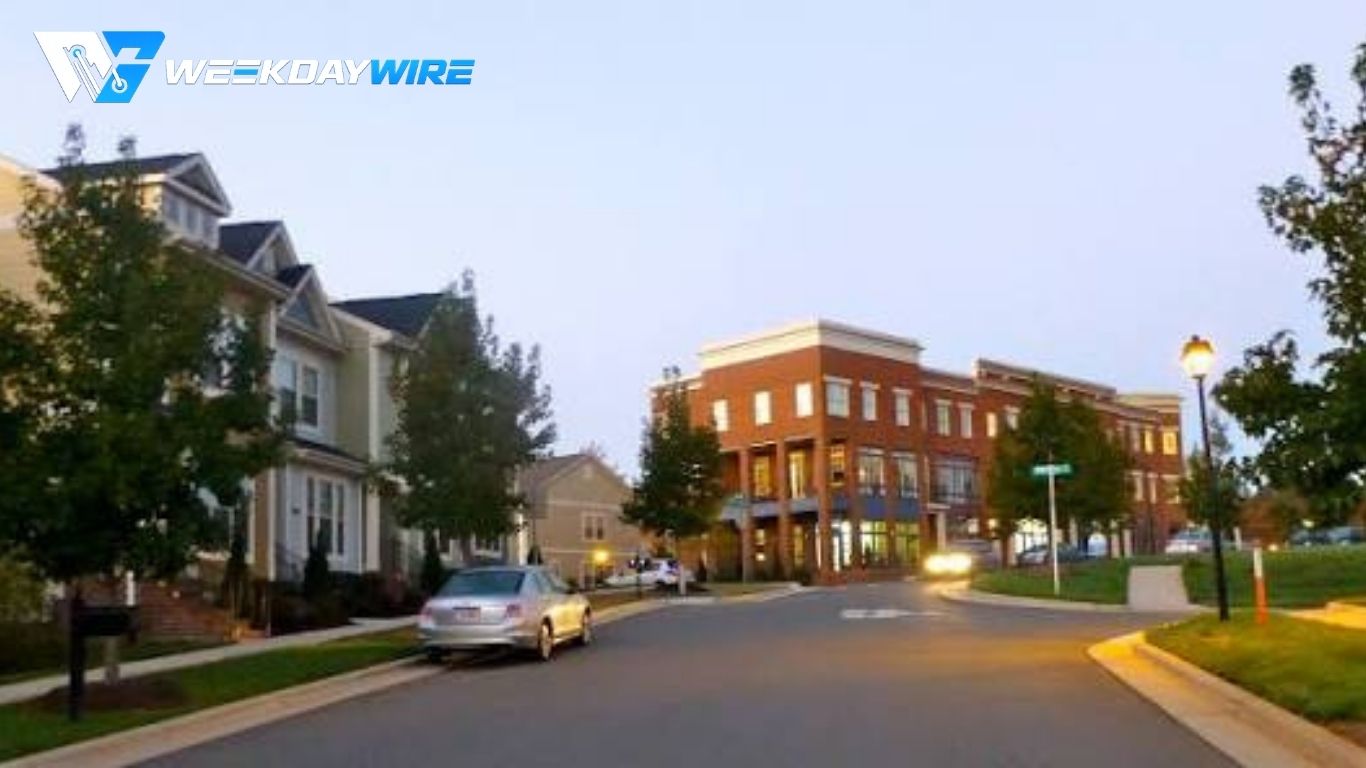
Local neighborhoods are changing faster than ever. Across cities, suburbs, and smaller communities, new projects and developments are reshaping the places where people live, work, shop, travel, and spend their free time. From modern housing projects and upgraded transportation networks to green spaces, smart infrastructure, and revitalized commercial districts, local development is creating communities that are more connected, convenient, and sustainable.
Neighborhood transformation is not simply about constructing new buildings. Developers, local governments, businesses, and residents are increasingly focusing on creating complete communities that provide better services, improved public spaces, stronger transportation links, and more economic opportunities.
Why Local Neighborhood Development Matters
Local development has a direct impact on everyday life. A new road can shorten commuting times, a new shopping center can provide easier access to essential services, and a community park can create a safe place for families to gather.
Well-planned neighborhood projects can also increase economic activity by attracting businesses, creating jobs, and encouraging further investment. Improvements to schools, healthcare facilities, public transportation, and utilities can make communities more desirable places to live.
At the same time, development needs careful planning. Rapid construction without adequate infrastructure can lead to traffic congestion, higher living costs, pressure on public services, and the loss of community character. Successful local development therefore requires a balance between growth and residents’ long-term needs.
New Housing Developments Are Reshaping Residential Areas
Housing remains one of the biggest drivers of neighborhood transformation. Growing populations and changing lifestyles are creating demand for different types of homes.
Many communities are seeing the development of apartments, townhouses, mixed-income housing, and modern residential complexes. In suburban areas, new housing developments may include community centers, playgrounds, walking paths, retail spaces, and other shared amenities.
Another important trend is the development of mixed-use neighborhoods, where residential properties are built close to shops, restaurants, offices, and recreational spaces.Instead of traveling long distances for everyday needs, residents can access more services within their immediate communities. This approach can create more active neighborhoods while reducing dependence on cars.
Mixed-Use Developments Are Creating More Convenient Communities
Mixed-use development has become an increasingly important part of modern urban planning.These projects combine several functions within one development. A single neighborhood project might include apartments on upper floors, retail stores at street level, office spaces nearby, restaurants, fitness facilities, and public gathering areas.
The goal is to create neighborhoods where people can accomplish more without lengthy daily journeys.For local businesses, mixed-use developments can provide a steady flow of nearby customers. For residents, they can offer greater convenience and access to essential services. They can also help create lively streets and public spaces throughout the day instead of districts that become empty after business hours.
Transportation Projects Are Improving Local Connectivity
Transportation infrastructure can dramatically influence how a neighborhood develops.New roads, upgraded intersections, public transportation routes, bike lanes, pedestrian paths, and transit stations can improve connections between residential areas and employment or commercial centers.
Communities around major transportation improvements often attract additional investment because accessibility is an important consideration for both businesses and residents.Many local transportation projects are also becoming more focused on pedestrians and cyclists. Wider sidewalks, safer crossings, protected bicycle lanes, and traffic-calming measures can make neighborhoods easier and safer to navigate without a vehicle.Improved connectivity can ultimately make local communities more accessible while supporting economic growth.
Green Spaces Are Becoming a Priority
Modern neighborhood development increasingly recognizes the importance of green spaces.Public parks, community gardens, walking trails, tree-lined streets, playgrounds, and recreational areas provide valuable places for residents to relax, exercise, and socialize.
Green infrastructure can provide environmental benefits as well. Trees can offer shade and help reduce heat, while properly designed landscaping and drainage systems can assist with stormwater management.
Developers are also incorporating green spaces directly into residential and commercial projects through rooftop gardens, landscaped courtyards, pedestrian plazas, and shared outdoor areas.These features can make dense neighborhoods feel more comfortable and welcoming.
Aging Commercial Districts Are Being Revitalized
Not every neighborhood transformation begins with completely new construction. In many communities, older commercial districts are being renovated and given new purposes.Vacant storefronts, aging shopping areas, warehouses, and underused properties may be transformed into restaurants, offices, apartments, entertainment venues, markets, or community facilities.
Revitalization can bring new economic activity to areas that have experienced years of decline.Preserving elements of existing architecture can also help communities maintain their identity while adapting older spaces to modern needs.When handled effectively, commercial revitalization can attract visitors, support entrepreneurs, create employment opportunities, and strengthen the local economy.
Smart Technology Is Changing Neighborhood Infrastructure
Technology is becoming an important part of local development projects.Smart streetlights, traffic monitoring systems, public Wi-Fi, digital transportation information, energy-management technologies, and connected security systems are appearing in communities around the world.
Some smart infrastructure projects use sensors and real-time information to help local authorities understand traffic patterns, energy consumption, water usage, or environmental conditions.
New buildings are also incorporating more technology. Smart access systems, energy-efficient lighting, automated temperature controls, electric vehicle charging points, and high-speed internet infrastructure are becoming increasingly common features.As digital services become more important in everyday life, strong technology infrastructure may become as essential to neighborhoods as traditional roads and utilities.
Community Facilities Are Receiving Greater Investment
Neighborhood development is also creating opportunities to improve essential community facilities.New or renovated schools, libraries, healthcare centers, sports facilities, childcare centers, and community halls can significantly improve residents’ quality of life.
These projects are particularly important in rapidly growing neighborhoods where population increases can place pressure on existing services.Modern libraries, for example, may provide much more than books. They can include digital learning areas, meeting rooms, workspaces, educational programs, and community events.Similarly, local recreation centers can provide sports, fitness, youth activities, and social programs that help residents connect with one another.
Sustainability Is Influencing New Construction
Sustainability has become a major consideration in neighborhood development.Developers are increasingly using energy-efficient building materials, improved insulation, solar energy systems, water-saving technologies, natural lighting, and environmentally responsible landscaping.
Some projects are also designed to encourage sustainable transportation by including bicycle storage, pedestrian-friendly streets, public transit access, and electric vehicle charging stations.Sustainable development can potentially lower long-term energy consumption while creating more resilient communities.As environmental standards continue evolving, green construction practices are likely to become an even bigger part of future local development.
Small Businesses Are Benefiting From Neighborhood Growth
Major development projects often create opportunities for local entrepreneurs.When new residents move into an area, demand increases for restaurants, grocery stores, cafés, salons, repair services, healthcare providers, entertainment, and other businesses.New commercial developments may also provide dedicated spaces for independent retailers and service providers.
The relationship can benefit both sides. Businesses gain access to customers, while residents enjoy a wider variety of nearby products and services.maintaining affordable commercial spaces is important. If development causes rents to rise too quickly, long-established businesses may struggle to remain in the neighborhood.
Public Spaces Are Becoming More Social and Accessible
Public spaces are increasingly being designed as central parts of community life rather than unused areas between buildings.Modern developments may include public plazas, outdoor seating, event spaces, playgrounds, pedestrian streets, markets, and landscaped gathering areas.
These spaces can host community events, festivals, markets, performances, and everyday social interactions.Accessibility is also becoming more important. Better sidewalks, ramps, lighting, seating, signage, and pedestrian crossings can make neighborhoods easier to navigate for children, older adults, and people with disabilities.Thoughtfully designed public spaces can help create a stronger sense of community and encourage residents to spend more time in their neighborhoods.
How New Developments Affect Property Values
Major neighborhood improvements can influence local real estate markets.Better transportation, attractive public spaces, new schools, commercial facilities, and improved infrastructure may increase demand for properties in surrounding areas.
Homeowners may benefit from rising property values, while businesses can gain access to larger customer bases.increasing property values can also create affordability concerns. Rising rents and housing costs may make it difficult for some long-term residents to remain in rapidly developing neighborhoods.many communities are exploring affordable housing programs, mixed-income developments, and other policies designed to make growth more inclusive.
The Importance of Community Participation
Successful neighborhood development works best when local residents have opportunities to participate.Public meetings, community surveys, planning consultations, and neighborhood organizations can help residents communicate their concerns and priorities.
People who live in an area often understand local challenges that may not be immediately obvious to outside developers. They may identify traffic problems, insufficient parking, drainage issues, unsafe intersections, shortages of green space, or the need for additional public services.Community involvement can help planners create projects that respond more effectively to real-world needs.
Transparent communication is equally important. Residents should have access to understandable information about major developments, expected construction schedules, potential disruptions, and long-term community benefits.
Challenges That Come With Rapid Neighborhood Development
While new projects can create substantial benefits, growth can also produce challenges.Construction may temporarily cause noise, road closures, dust, traffic congestion, and disruption to nearby businesses. Larger populations can increase pressure on schools, healthcare facilities, utilities, roads, and public transportation.Affordability is another major concern. Popular neighborhoods can experience significant increases in housing and commercial rents following major investment.
There is also the risk that redevelopment can remove historic buildings or change the character of established communities.Local authorities and developers therefore need to consider both economic growth and community stability when planning future projects.
What the Future of Local Neighborhoods Could Look Like
The neighborhoods of the future are likely to become more connected, mixed-use, sustainable, and technology-driven.Rather than separating homes, offices, stores, and recreational areas into distant districts, planners are increasingly looking at ways to bring everyday destinations closer together.
Future communities may feature more walkable streets, expanded public transportation, energy-efficient buildings, green infrastructure, digital services, flexible public spaces, and locally accessible amenities.
Neighborhood development will also increasingly need to respond to population growth, environmental pressures, housing affordability, and changing work patterns.Communities that successfully address these challenges can become more resilient and attractive places to live.
Frequently Asked Questions
How are new projects transforming local neighborhoods?
New projects are improving neighborhoods through modern housing, better roads, public spaces, commercial centers, transportation upgrades, and improved community facilities.
What types of developments have the biggest impact on local communities?
Housing developments, mixed-use projects, transportation infrastructure, parks, shopping areas, schools, healthcare facilities, and smart infrastructure often have the greatest impact.
Can new developments increase local property values?
Yes. Improved infrastructure, transportation, public amenities, and commercial growth can increase demand for nearby properties and potentially raise property values.
How do new neighborhood projects benefit local businesses?
New developments can attract more residents and visitors, creating greater demand for restaurants, shops, professional services, entertainment, and other local businesses.
Are sustainable developments becoming more common in local neighborhoods?
Yes. Many modern projects now include energy-efficient buildings, green spaces, solar technology, pedestrian-friendly designs, and environmentally responsible infrastructure.
Conclusion
New projects and developments transforming local neighborhoods are changing much more than physical landscapes. They are influencing how people travel, work, shop, socialize, access essential services, and interact with their communities.From new housing and mixed-use developments to transportation upgrades, green spaces, smart technology, revitalized commercial districts, and improved community facilities, modern development is creating new possibilities for local areas.
The most successful projects will be those that combine economic opportunity with accessibility, sustainability, affordability, and community needs. Development should not simply make neighborhoods newer—it should make them more functional, inclusive, connected, and enjoyable for the people who call them home.
