

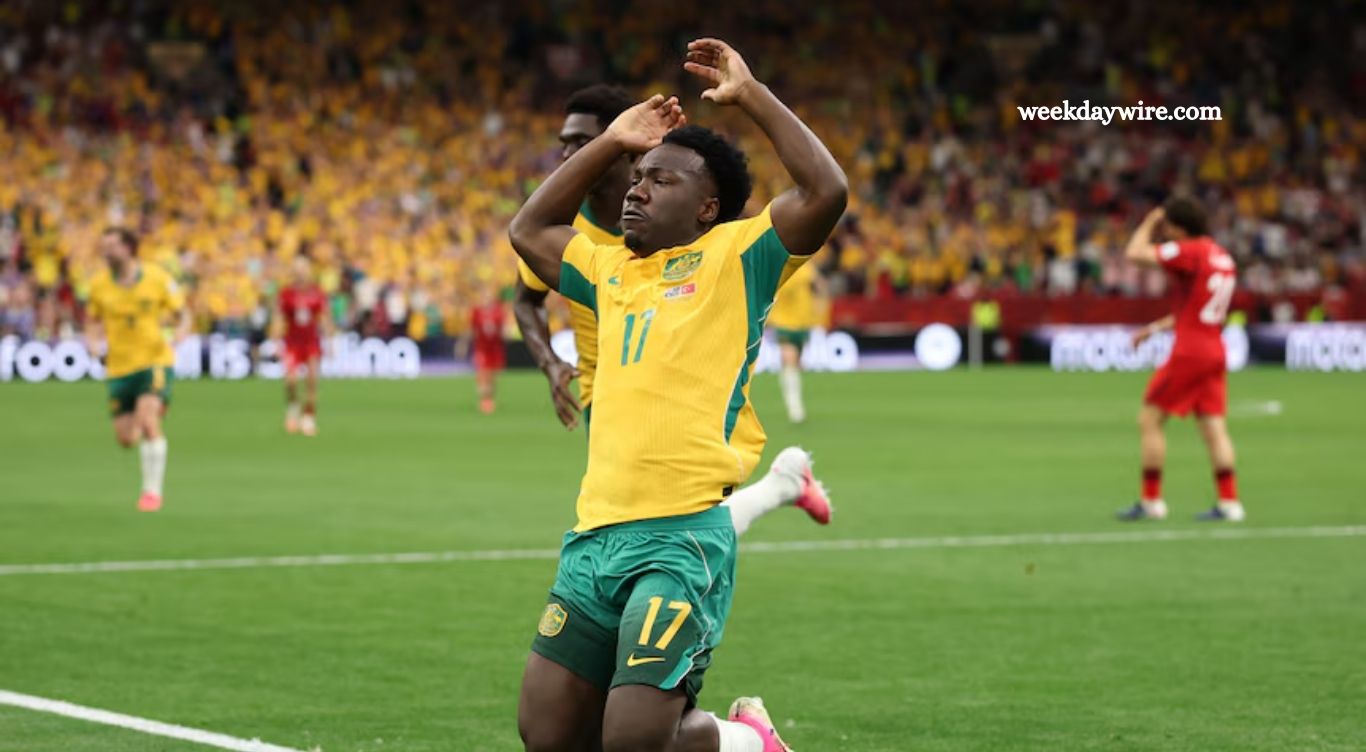
Australian football star Nestory Irankunda has spoken about the emotional impact that comments on multiculturalism made by One Nation leader Pauline Hanson had on him and several of his Socceroos teammates during the recent World Cup. Irankunda said the remarks were difficult to ignore while the Australian squad was focused on representing the country on football’s biggest international stage.
The young winger explained that the comments affected him personally because of his own family background and experience growing up in Australia. His response has drawn attention to the connection between Australian sport, migration and national identity, particularly within a Socceroos squad featuring players from a wide variety of cultural backgrounds.
Hanson’s Multiculturalism Comments Spark Reaction
During the World Cup in North America in June, Hanson delivered a National Press Club speech in which she argued that Australia should move away from multiculturalism and embrace a monoculture. Her position became a subject of public debate at a time when the Socceroos were competing internationally.
Read More: Unitree Robotics Surges in Stock Market Debut
Irankunda said hearing the comments was upsetting for him and other members of the Australian squad. He admitted becoming emotional after learning about the remarks, although he eventually tried to put them aside so he could concentrate on football and his responsibilities with the national team.
Irankunda Describes Emotional Impact
Speaking to Hamish Macdonald on 702 ABC Sydney, Irankunda explained that he generally tries to avoid social media, particularly when controversial subjects dominate public discussion. Despite those efforts, he said Hanson’s comments were difficult to escape.
The winger stressed that individuals from migrant or refugee communities should not be judged collectively because of the actions of others. He pointed toward himself and fellow footballers Awer Mabil and Mohamed Touré as examples of Australians from diverse backgrounds who work hard, represent their communities and contribute positively to the country.
Socceroos Reflect Modern Australian Diversity
Australia’s national football team has long reflected the country’s culturally diverse population. Players with family connections across Africa, Europe, Asia and other regions have represented the Socceroos over different generations, making football one of Australia’s most visibly multicultural sports.
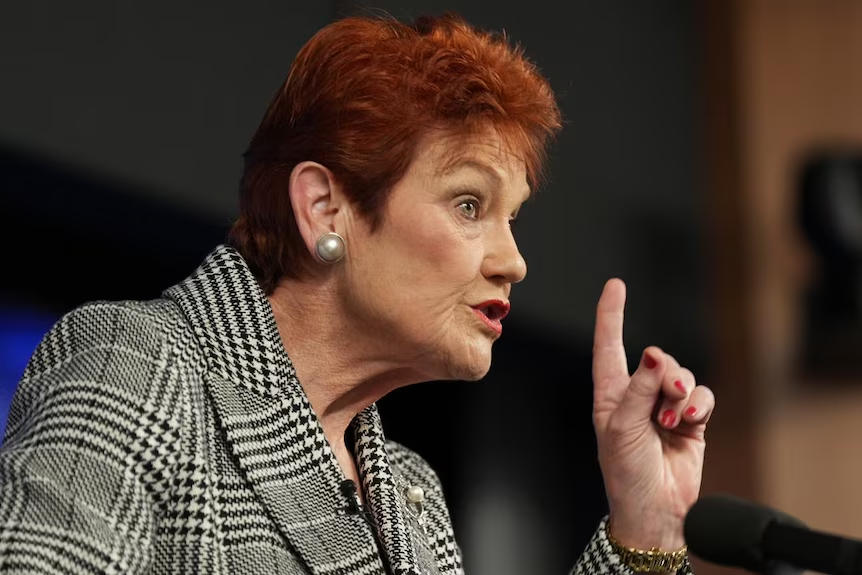
For Irankunda, being grouped with people responsible for wrongdoing is particularly frustrating. His comments highlight a broader concern about generalisations involving migrant and refugee communities. He argued that misconduct by some individuals should not be used to define entire communities containing people with vastly different lives, values and experiences.
Irankunda’s Refugee Family Background
Irankunda’s personal history gives additional context to his reaction. He was born in a refugee camp in Tanzania in 2006 to Burundian parents who had fled civil conflict in their homeland. His family moved to Australia when he was only three months old, meaning Australia has been home for almost his entire life.
His rise through Australian football eventually turned him into one of the country’s most prominent young sporting talents. From growing up in Australia to representing the Socceroos internationally, his career demonstrates how refugee and migrant families can become deeply connected to Australian society while maintaining pride in their family heritage.
Football Provides Powerful Platform
Professional athletes often find themselves involved in wider social conversations even when they would prefer to concentrate entirely on sport. Irankunda acknowledged that political controversy is not something he normally wants to enter, but the personal nature of the multiculturalism debate encouraged him to explain how the comments affected him.
Football gives players an unusually visible platform because millions of supporters follow national teams and leading clubs. When athletes discuss issues involving identity, migration, or discrimination, their experiences can bring a personal dimension to political debates that might otherwise remain focused on policies and statistics.
Irankunda Avoids Direct Political Confrontation
Despite expressing disappointment about Hanson’s remarks, Irankunda did not present himself as someone looking for a political confrontation. He said he generally avoids controversial political discussions and suggested that he probably would not currently want to speak directly with Hanson because he remained upset about her latest comments and some statements she had made previously.
However, he did not completely rule out a future conversation. Irankunda acknowledged that circumstances can change and suggested there could eventually be an opportunity to speak with Hanson by phone or in person. His comments left open the possibility of dialogue despite their significantly different perspectives.
Major Club Move Marks New Career Chapter
Irankunda’s comments came shortly after another major development in his professional career. The winger had recently moved from English Championship club Watford to Portuguese side Sporting CP for an undisclosed transfer fee, reportedly around $26 million.
The move represents another important stage in the young Australian’s rapidly developing career. Sporting has a strong reputation for developing talented players, while Portuguese football offers Irankunda another opportunity to gain experience in a technically demanding European environment.
Sporting Success Carries Wider Meaning
For players such as Irankunda, Mabil and Touré, representing Australia carries meaning beyond match results. Their appearances in the national colours demonstrate the different backgrounds and experiences that exist within modern Australian football.
Their careers can also inspire young players from refugee and migrant families who hope to reach professional sport. Seeing athletes with similar backgrounds competing internationally can create a powerful sense of possibility while showing that Australian sporting identity is capable of incorporating many different cultural stories.
Multiculturalism Debate Extends Beyond Football
Hanson’s comments form part of a much larger national discussion surrounding immigration, multiculturalism, social cohesion and Australian identity. These subjects frequently generate strong opinions because they involve questions about culture, belonging and the country’s future direction.
Irankunda’s response adds the perspective of someone whose family arrived in Australia after fleeing conflict and who later grew up to represent the country internationally. His experience does not settle the wider political debate, but it demonstrates how political statements about migration and multiculturalism can have a personal impact on Australians from refugee and migrant backgrounds.
Socceroos Focus Remains National Representation
International football brings together players who may have very different family histories but share the responsibility of representing one country. For the Socceroos, cultural diversity has become a familiar part of the team’s identity rather than something separate from its sporting mission.
Irankunda’s comments suggest that political discussions outside football can still affect players emotionally, especially when those discussions involve their communities or backgrounds. At the same time, competing for Australia provides players with an opportunity to demonstrate their commitment through their performances, professionalism and connection with supporters.
Irankunda Looks Toward Future
At a young age, Irankunda has already experienced international football, major European club moves and considerable public attention. His latest remarks show that his growing profile can also place him in conversations extending far beyond the football pitch.
As he begins the next stage of his club career with Sporting CP, attention will primarily remain on his development as a player. Yet his willingness to discuss the impact of Hanson’s comments has also offered insight into how debates surrounding multiculturalism can affect athletes who proudly represent Australia while carrying refugee and migrant family histories.
Frequently Asked Questions
Who is Nestory Irankunda?
Nestory Irankunda is an Australian professional footballer who plays as a winger and represents the Socceroos.
What did Pauline Hanson say about multiculturalism?
Hanson argued that Australia should move away from multiculturalism and adopt a monoculture.
How did Hanson’s comments affect Irankunda?
Irankunda said the comments made him emotional and upset several other Socceroos players.
What is Irankunda’s family background?
Irankunda was born in Tanzania to Burundian parents who had fled civil conflict.
When did Irankunda move to Australia?
He arrived in Australia with his family when he was approximately three months old.
Did Irankunda want to speak with Pauline Hanson?
He said he was still upset but did not completely rule out a future conversation with Hanson.
Why are Irankunda’s comments significant?
His comments highlight how political debates about multiculturalism can personally affect athletes from refugee and migrant backgrounds.
Conclusion
Nestory Irankunda’s reaction to Pauline Hanson’s multiculturalism comments highlights how political debates can personally affect athletes from diverse backgrounds. His journey from a refugee family to representing Australia demonstrates the important role multicultural communities play in Australian society and sport.
