

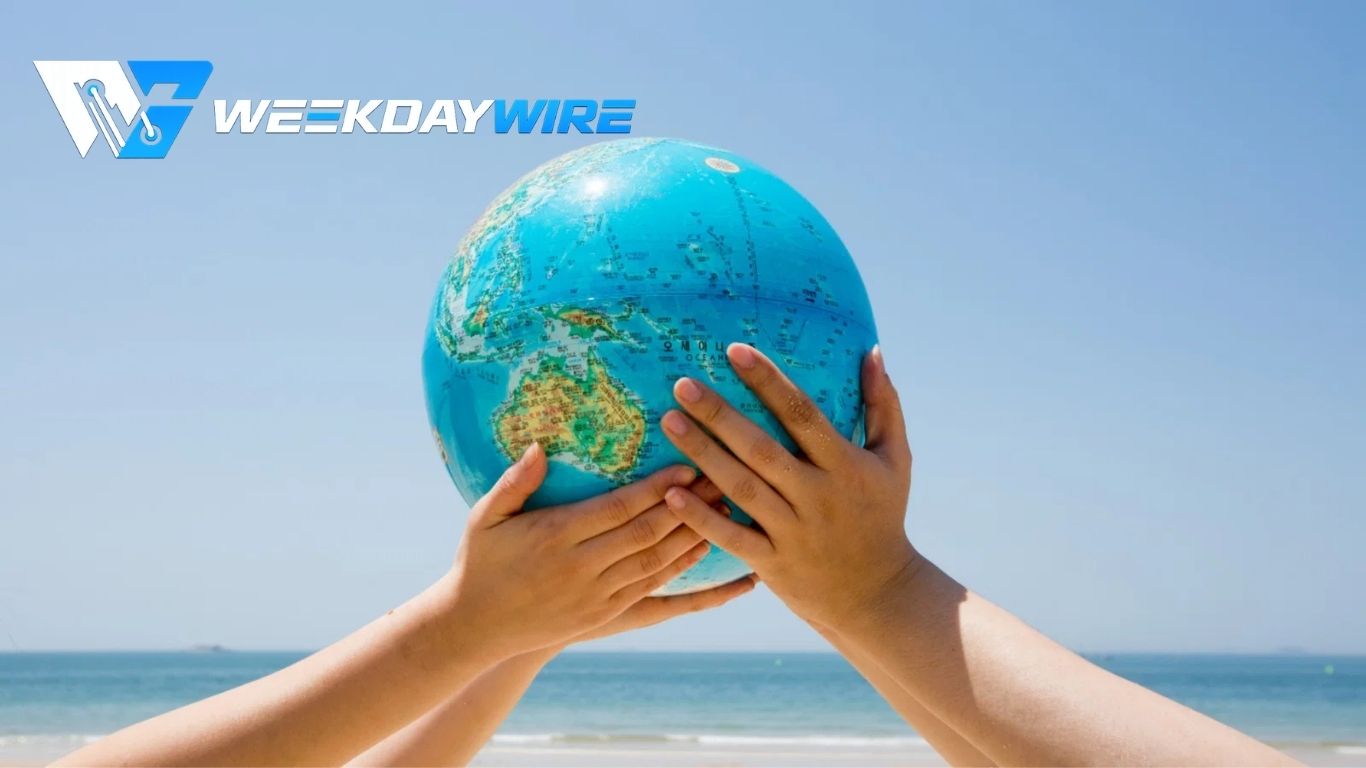
The world today is more connected than at almost any other point in history. Technology allows information, money, products, and ideas to move across borders rapidly, while international trade and communication connect communities thousands of miles apart. However, greater global connectivity has also made many challenges more complex. Economic instability in one region can affect markets elsewhere, conflicts can disrupt international supply chains, and environmental problems rarely remain limited to a single country.
Understanding the biggest challenges facing the world today is important because these issues influence economies, governments, businesses, communities, and everyday life. From climate change and geopolitical tensions to economic inequality, cybersecurity, food security, and public health, the world’s major problems are increasingly interconnected.
Climate Change and Environmental Sustainability
Climate change remains one of the most significant global challenges of the modern era. Rising temperatures, changing rainfall patterns, extreme weather events, melting glaciers, droughts, floods, and rising sea levels can affect communities and economies around the world.
The challenge extends far beyond temperature increases. Climate-related changes can influence agriculture, water supplies, infrastructure, public health, migration, and economic development.Extreme weather can damage homes, transportation systems, farms, and businesses. Developing economies may face particularly serious difficulties because they often have fewer financial resources available for climate adaptation and disaster recovery.
At the same time, the world needs reliable and affordable energy to support economic growth. Governments therefore face the difficult task of reducing environmental damage while maintaining energy security and economic development.
Building a More Sustainable Future
Addressing environmental challenges requires a combination of renewable energy, efficient infrastructure, responsible resource management, cleaner technologies, conservation, and international cooperation.
Individuals and businesses can also contribute through energy efficiency, waste reduction, sustainable consumption, and responsible investment.The transition toward a more sustainable global economy will likely remain one of the defining developments of the coming decades.
Global Economic Uncertainty
Economic uncertainty is another major challenge facing the world today. Inflation, changing interest rates, high debt levels, supply-chain disruptions, commodity price fluctuations, and uneven economic growth can create financial pressure for governments, businesses, and households.Because modern economies are closely connected, problems rarely remain isolated.
A disruption in a major manufacturing region, for example, can affect the availability and cost of products elsewhere. Changes in oil and gas prices can influence transportation, manufacturing, electricity, and household expenses.For ordinary people, economic uncertainty is often experienced through higher living costs, employment concerns, expensive housing, and reduced purchasing power.
The Challenge of Sustainable Economic Growth
Governments must balance several priorities simultaneously. They need to encourage investment and employment while managing inflation, public debt, infrastructure requirements, and social services.
Long-term economic resilience increasingly depends on productivity, education, innovation, responsible fiscal policies, and the ability of workers and businesses to adapt to technological change.Creating economic systems that provide opportunities while remaining resilient to global shocks is one of today’s most important challenges.
Poverty and Economic Inequality
Despite decades of economic and technological progress, poverty and inequality continue to affect millions of people.Economic inequality exists both between countries and within individual societies. Some communities have excellent access to education, healthcare, technology, transportation, and employment opportunities, while others lack basic infrastructure and services.
Persistent inequality can limit social mobility. Children growing up without quality education, adequate nutrition, healthcare, or digital access may find it significantly harder to improve their economic circumstances later in life.
Creating Greater Economic Opportunity
Reducing poverty requires more than short-term financial assistance. Sustainable progress depends on creating opportunities that allow people to improve their own economic circumstances.
Important measures can include better education, skills development, infrastructure investment, financial inclusion, entrepreneurship, access to technology, and employment creation.Inclusive economic growth benefits societies by expanding the workforce, strengthening consumer markets, and improving overall social stability.
Wars, Conflicts, and Geopolitical Tensions
Armed conflicts and geopolitical tensions remain among the most serious challenges facing the international community.Modern conflicts can have consequences far beyond the countries directly involved. Wars may disrupt energy markets, international trade, food supplies, transportation routes, and financial markets.
They also create devastating humanitarian consequences. Civilians can lose homes, livelihoods, access to healthcare, education, and basic services. Large-scale displacement may place additional pressure on neighboring countries and humanitarian organizations.Geopolitical competition can also make international cooperation more difficult at precisely the time when cooperation is needed to address shared challenges.
Why Diplomacy Remains Essential
Diplomatic engagement, international institutions, negotiations, and peaceful conflict-resolution mechanisms remain essential tools for reducing global instability.Countries will naturally have different national interests, but maintaining communication can help prevent disagreements from developing into larger crises.
A stable international environment is also important for economic development because businesses and investors generally depend on predictable trade relationships and secure transportation networks.
Food and Water Security
Access to sufficient food and clean water remains a major global concern.Food production depends on stable weather conditions, fertile land, reliable water supplies, transportation networks, energy, fertilizers, agricultural technology, and functioning markets. Problems affecting any part of this system can influence food availability and prices.
Climate change, population growth, conflict, economic instability, and environmental degradation can make food security more difficult.Water presents another challenge. Freshwater resources are limited, and demand continues to increase because of population growth, agriculture, urbanization, and industrial development.
Strengthening Global Food Systems
Solutions include improving agricultural productivity, reducing food waste, developing drought-resistant crops, improving irrigation systems, protecting water resources, and strengthening supply chains.
Technology can play an important role through precision agriculture, satellite monitoring, improved weather forecasting, and more efficient water management.Building resilient food and water systems will become increasingly important as global demand grows.
Public Health and Future Health Emergencies
Recent global health emergencies demonstrated how quickly health problems can affect economies and societies.International travel and highly connected cities mean infectious diseases can potentially spread rapidly. At the same time, many countries continue to face challenges involving healthcare access, medical infrastructure, workforce shortages, and affordability.
Another growing concern is antimicrobial resistance. When bacteria and other microorganisms become resistant to commonly used medicines, infections can become more difficult to treat.
Strengthening Healthcare Systems
Countries need resilient healthcare systems capable of handling both everyday medical needs and unexpected emergencies.Investment in hospitals, healthcare workers, medical research, disease surveillance, vaccines, digital health systems, and international information sharing can improve preparedness.Public health should therefore be viewed not only as a medical issue but also as an important part of economic and national resilience.
Cybersecurity and Digital Threats
As more aspects of everyday life move online, cybersecurity has become one of the most important global challenges.Governments, businesses, hospitals, financial institutions, schools, and individuals depend heavily on digital infrastructure. This creates enormous benefits, but it also introduces vulnerabilities.
Cyberattacks can target personal information, financial systems, government networks, businesses, and critical infrastructure. Data breaches can expose sensitive information, while ransomware attacks can interrupt important services.
Building a Safer Digital World
Strong cybersecurity requires cooperation between governments, technology companies, businesses, and users.Organizations need secure systems, regular software updates, employee training, strong authentication, data backups, and effective incident-response strategies.
Individuals also have responsibilities. Using unique passwords, enabling multi-factor authentication, avoiding suspicious links, and keeping software updated can significantly reduce common cybersecurity risks.As societies become more digitally connected, cybersecurity will increasingly become a fundamental part of national and economic security.
Artificial Intelligence and Rapid Technological Change
Artificial intelligence is transforming how people work, communicate, research, create content, analyze information, and operate businesses.AI offers enormous potential. It can improve productivity, support scientific research, automate repetitive work, enhance healthcare, and help organizations process large amounts of information.
Automation may change or eliminate certain job functions while creating new ones. Workers may need new skills to remain competitive. Governments and organizations must also consider privacy, misinformation, intellectual property, algorithmic bias, security, and responsible AI governance.
Preparing Workers for the Future
Education systems may need to place greater emphasis on digital literacy, critical thinking, creativity, communication, and lifelong learning.Rather than simply asking whether technology will replace jobs, societies need to consider how people can work effectively alongside increasingly capable technologies.The countries and businesses that successfully combine technological innovation with workforce development may gain significant economic advantages.
Misinformation and Declining Trust
The internet has made information more accessible than ever before. Unfortunately, it has also made false or misleading information easier to distribute.
Social media platforms allow information to spread to millions of people within minutes. Misleading claims, manipulated images, fake accounts, and AI-generated content can make it increasingly difficult for users to determine what is trustworthy.Misinformation can affect public health, financial decisions, social relationships, elections, and responses to emergencies.
Improving Media Literacy
Education is one of the strongest defenses against misinformation.People should learn to examine sources, compare multiple reports, distinguish opinion from verified information, and question sensational claims.
Technology platforms, journalists, educational institutions, and governments also have important roles in promoting transparency and improving access to reliable information without unnecessarily restricting legitimate expression.
Education and the Global Skills Gap
Education remains one of the strongest foundations for long-term economic and social development. Yet access to high-quality education remains uneven.Millions of students worldwide face barriers related to poverty, infrastructure, conflict, geography, technology, or limited educational resources.
At the same time, technology is changing the skills employers require.Traditional qualifications remain valuable, but digital literacy, problem-solving, communication, adaptability, data skills, and technical knowledge are becoming increasingly important.
Preparing Students for a Changing Economy
Education systems need to prepare students not only for today’s jobs but also for industries that may look very different in the future.Online learning, vocational training, apprenticeships, digital education, and partnerships between businesses and educational institutions can help close skills gaps.Continuous learning will also become increasingly important as workers adapt throughout their careers.
Population Growth, Urbanization, and Migration
Global population patterns are changing rapidly. Some countries have young and expanding populations, while others face aging populations and declining birth rates.At the same time, more people are living in cities.
Rapid urbanization creates opportunities for economic growth but also increases demand for housing, transportation, electricity, water, healthcare, education, and waste-management systems.
Migration adds another dimension. People may move because of employment opportunities, education, family connections, conflict, political instability, or environmental pressures.Governments need policies that manage these demographic changes while maintaining economic stability and social cohesion.
Energy Security and the Global Energy Transition
Reliable energy is essential for modern life. Homes, hospitals, factories, transportation networks, communication systems, and businesses all depend on it.The challenge is ensuring that energy remains affordable and reliable while reducing environmental impact.
Renewable energy technologies such as solar and wind continue to expand, while battery storage, electric transportation, smarter electricity grids, and energy-efficient technologies are developing rapidly.
transitioning large energy systems takes time and requires enormous investment.Countries must therefore balance energy security, affordability, industrial competitiveness, and environmental goals.
Why Global Cooperation Matters More Than Ever
Most of the world’s biggest challenges cannot be solved by individual countries acting alone.Climate change crosses borders. Cyberattacks can originate anywhere. Diseases can spread internationally. Financial crises can influence global markets. Conflicts can disrupt food and energy supplies thousands of miles away.
International cooperation does not require countries to agree on everything. Instead, it means identifying areas where shared interests make collaboration beneficial.Governments, international organizations, businesses, universities, scientists, and local communities all have roles to play.Technology can also strengthen cooperation by improving communication, research, disaster forecasting, healthcare, agriculture, and access to education.
The Role of Individuals in Addressing Global Challenges
The scale of global problems can make individual actions appear insignificant, but collective behavior can influence markets, communities, and public policy.People can contribute by making informed decisions, supporting responsible businesses, improving their digital literacy, reducing unnecessary waste, participating in their communities, and learning about important global issues.
Professionals and entrepreneurs can contribute by developing technologies and business models that solve real-world problems.Students can prepare by developing adaptable skills that allow them to participate effectively in a rapidly changing economy.Progress rarely comes from a single solution. It usually results from millions of decisions made by governments, organizations, businesses, and individuals.
Frequently Asked Questions
What are the biggest challenges facing the world today?
The biggest global challenges include climate change, economic uncertainty, poverty, geopolitical conflicts, food and water insecurity, cybersecurity threats, public health risks, and rapid technological change.
Why is climate change considered a major global challenge?
Climate change can increase extreme weather, disrupt agriculture, threaten water supplies, damage infrastructure, and affect economies. Addressing it requires sustainable development, cleaner energy, and international cooperation.
How does economic inequality affect the world?
Economic inequality limits access to quality education, healthcare, employment, and financial opportunities. Reducing inequality can support stronger economies, improve living standards, and promote long-term social stability.
How do wars and geopolitical conflicts affect everyday life?
Wars and geopolitical tensions can disrupt global trade, food supplies, energy markets, and supply chains. These disruptions may contribute to higher prices, economic uncertainty, migration, and humanitarian crises.
Why is cybersecurity becoming a global concern?
As governments, businesses, and individuals rely more heavily on digital technology, cyberattacks and data breaches can threaten privacy, financial systems, businesses, and critical infrastructure.
Conclusion
The biggest challenges facing the world today are complex and deeply interconnected. Climate change, economic uncertainty, poverty, geopolitical conflicts, food and water insecurity, public health risks, cybersecurity threats, and rapid technological change all have the potential to influence societies and economies worldwide.
Addressing these global challenges requires cooperation between governments, businesses, communities, international organizations, and individuals. Investments in sustainable development, education, healthcare, technology, economic opportunity, and peaceful international cooperation can help create meaningful long-term progress.
