

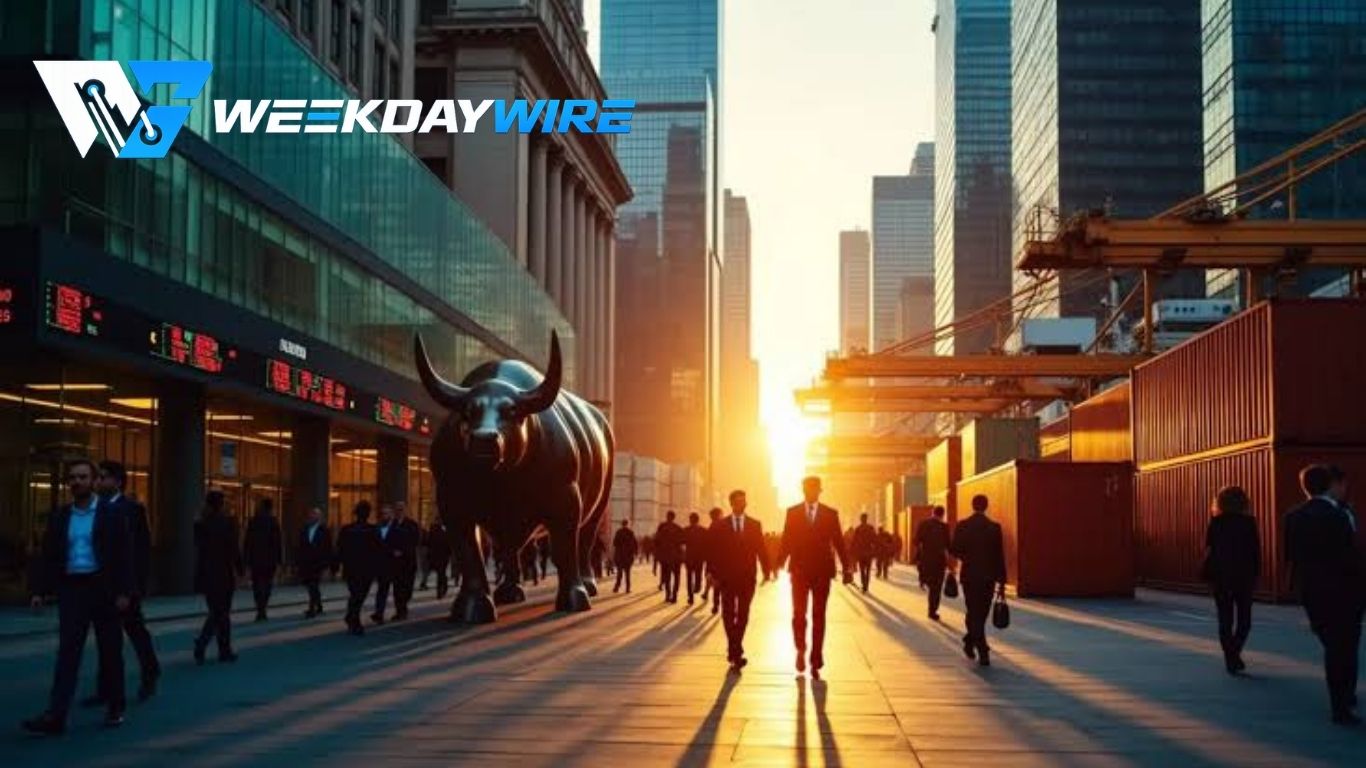
Global events may happen thousands of miles away, but their effects can quickly reach our homes, workplaces, communities, and wallets. Political conflicts, economic changes, natural disasters, technological breakthroughs, public health emergencies, and international policy decisions can all influence how people live their daily lives.
In today’s highly connected world, countries depend on one another for energy, food, technology, transportation, manufacturing, trade, and financial services. As a result, a major development in one region can create consequences across the globe.Understanding how global events can impact everyday life helps individuals make better financial decisions, prepare for uncertainty, understand changes in prices and employment, and recognize why international developments matter at the local level.
What Are Global Events?
Global events are major developments that affect multiple countries, international markets, industries, or populations. Some develop gradually, while others happen unexpectedly and create immediate consequences.
Common examples of global events include:
- International conflicts and geopolitical tensions
- Global economic slowdowns or periods of rapid growth
- Changes in international trade policies
- Natural disasters and extreme weather events
- Public health emergencies
- Energy supply disruptions
- Major technological developments
- Elections and political changes in influential countries
- International agreements and regulations
- Supply chain disruptions
The effects of these events are not always immediately obvious. However, they can eventually influence everything from grocery prices and fuel costs to employment opportunities and travel plans.
How Global Events Affect the Cost of Living
One of the most noticeable effects of major global events is a change in the cost of everyday goods and services.Modern economies rely heavily on international trade. Countries import and export food, fuel, machinery, electronics, raw materials, medicines, clothing, and countless other products.
When a major event interrupts production or transportation, the supply of certain products can decrease. If demand remains strong while supply becomes limited, prices may rise.disruptions in agricultural regions can affect global food supplies. Problems in energy-producing countries can influence fuel and electricity costs. Manufacturing interruptions can make electronics, vehicles, and household products more expensive or difficult to obtain.Consumers may therefore notice the effects of international developments directly in their monthly household expenses.
Global Events and Food Prices
Food supply chains are increasingly international. Even products grown locally may depend on imported fertilizer, machinery, fuel, packaging, or transportation services.Extreme weather, political instability, trade restrictions, transportation problems, or rising energy costs can increase the cost of producing and distributing food.When these costs increase, businesses may pass part of the additional expense to consumers.
Everyday products such as wheat, rice, cooking oil, meat, vegetables, coffee, and packaged foods can experience price fluctuations because of developments occurring far beyond local communities.Understanding these connections can help consumers recognize why grocery prices sometimes change rapidly even when local demand appears relatively stable.
Energy Prices and Household Expenses
Energy is another major area where global developments can directly influence everyday life.Oil, natural gas, coal, and other energy resources are traded internationally. Changes in global production, transportation, demand, or political relationships can influence energy markets.
Higher energy prices can affect:
- Petrol and transportation costs
- Electricity bills
- Manufacturing expenses
- Airline ticket prices
- Food transportation
- Delivery services
- Heating and cooling expenses
Energy costs can also indirectly influence the price of many other products because businesses require electricity and transportation to manufacture and deliver goods.Therefore, a major change in global energy markets can eventually affect household budgets across numerous countries.
How Global Events Influence Jobs and Employment
International developments can also influence employment opportunities.Many companies operate across several countries or depend on international customers and suppliers. When the global economy is growing, businesses may expand operations, increase investment, and hire additional workers.
During periods of economic uncertainty, however, companies may become more cautious.Businesses might delay expansion plans, reduce expenses, change suppliers, or slow hiring.
Certain industries are particularly sensitive to global developments, including:
- Tourism
- Manufacturing
- Technology
- Transportation
- Energy
- Agriculture
- Finance
- International trade
- Retail
At the same time, global change can create new employment opportunities. Growth in areas such as renewable energy, cybersecurity, artificial intelligence, logistics, digital commerce, and advanced manufacturing may increase demand for new skills.The relationship between global events and employment is therefore complex. Some developments create challenges for particular industries while generating opportunities in others.
Global Economic Changes and Personal Finances
Major international economic developments can influence personal finances in several ways.Inflation, interest rates, currency movements, financial market volatility, and economic growth can all affect household financial decisions.
For example, rising inflation reduces purchasing power because the same amount of money buys fewer goods and services. Changes in interest rates can influence borrowing costs, savings returns, mortgages, and business investment.
Currency movements can also affect the cost of imported products. If a country’s currency weakens significantly against major international currencies, imported goods may become more expensive.These economic changes demonstrate why global financial developments are relevant even to people who do not actively invest in financial markets.
The Impact on Travel and Transportation
International events can significantly influence travel.Political instability, severe weather, public health concerns, fuel price changes, transportation disruptions, and changes in visa regulations can all affect international and domestic travel.
Airlines may adjust routes when certain regions become difficult or expensive to access. Rising fuel prices can increase ticket costs, while increased security requirements may change the travel experience.
Tourism-dependent communities can also experience economic effects when international visitor numbers rise or fall.For individuals planning vacations, business trips, or international education, monitoring major global developments can therefore help reduce unexpected problems.
Supply Chain Disruptions and Product Availability
Global supply chains connect manufacturers, suppliers, shipping companies, warehouses, retailers, and consumers across different countries.A single product may contain components produced in several parts of the world.
Consider a smartphone. Its processor, display, battery, camera components, software, and final assembly may involve companies located in different countries.If one part of this international supply chain experiences a major disruption, production may slow down.
Consumers might notice:
- Longer delivery times
- Higher product prices
- Limited product availability
- Delayed vehicle or electronics production
- Temporary shortages
- Changes in product selection
The increasing complexity of global supply chains means that local shopping experiences can sometimes be influenced by events happening on another continent.
Technology and Global Events
Technology has changed both the nature of global events and how quickly people experience their effects.Information can now travel around the world almost instantly through social media, online news platforms, smartphones, and digital communication tools.
Technological breakthroughs can also reshape industries quickly.Developments in artificial intelligence, automation, renewable energy, digital payments, cybersecurity, and communication technologies are changing how people work, shop, communicate, and access information.
For workers, technological change may increase the importance of developing new skills. For businesses, it can create opportunities to improve efficiency and reach international customers.rapid technological change can also create challenges involving privacy, cybersecurity, misinformation, and employment disruption.
Public Health Events and Daily Routines
Major public health events demonstrate how closely connected the modern world has become.
nternational travel allows people, products, and services to move rapidly between countries. However, health risks can sometimes spread across borders as well.A large-scale health emergency can influence schools, workplaces, transportation, tourism, healthcare systems, and consumer behavior.
Businesses may introduce remote working arrangements, consumers may change shopping habits, and governments may adjust travel or public health policies.Such events can also accelerate technological adoption, particularly in areas such as telemedicine, remote collaboration, online education, and digital commerce.
Climate Events and Their Global Effects
Extreme weather and climate-related events can also affect everyday life far beyond the areas where they occur.Floods, droughts, wildfires, hurricanes, and extreme temperatures can damage crops, infrastructure, factories, transportation networks, and energy systems.
Agricultural disruptions may contribute to higher food prices. Damage to manufacturing centers can interrupt product supplies, while transportation problems may delay international shipments.
Climate-related risks are also encouraging governments and businesses to invest in renewable energy, resilient infrastructure, sustainable agriculture, and cleaner technologies.These changes can eventually influence employment, consumer choices, energy costs, and government policies.
Political Decisions Can Have Economic Consequences
Political decisions made by governments can affect international trade and economic relationships.Policies involving tariffs, sanctions, taxation, immigration, environmental standards, technology, and international agreements can influence businesses and consumers.
For example, new tariffs on imported products may increase costs for companies purchasing foreign materials. Businesses may respond by finding alternative suppliers, changing production strategies, or adjusting prices.International political relationships can also affect investment decisions and business confidence.This is why geopolitical developments often receive significant attention from financial markets and multinational companies.
How Global Events Affect Small Businesses
Small businesses may seem less connected to international developments than multinational corporations, but they can still experience significant effects.A local business may rely on imported equipment, software subscriptions, packaging materials, fuel, advertising platforms, or products manufactured overseas.
Changes in exchange rates, shipping costs, energy prices, and supply availability can therefore affect operating expenses.
At the same time, digital technology has given small businesses greater access to global opportunities.Online stores, remote services, digital marketing, and international payment platforms allow smaller companies to reach customers beyond their local markets.Globalization can create both challenges and opportunities for entrepreneurs willing to adapt.
Social Media and the Speed of Global Information
People today often learn about major international events within minutes.Social media platforms allow eyewitness accounts, videos, opinions, news reports, and government announcements to spread rapidly.This immediate access to information can help people stay informed, but it also creates challenges.
False information, misleading headlines, manipulated content, and unverified claims can spread quickly during major events.Consumers should therefore compare information across reliable sources before making important decisions based on breaking news.Media literacy has become an increasingly important skill in a world where international developments can generate enormous amounts of online information.
Why Staying Informed Matters
Understanding global events does not mean following every international headline.Instead, people can focus on developments that are most likely to influence their finances, employment, business, travel, safety, or long-term plans.
Following reliable news sources and understanding basic economic trends can help individuals identify potential changes earlier.awareness of rising inflation may encourage households to review budgets. Changes in employment trends may motivate workers to develop additional skills. International travel disruptions may encourage travelers to prepare alternative arrangements.Reliable information can support better preparation and more thoughtful decision-making.
How Individuals Can Prepare for Global Uncertainty
No one can predict every major global development. However, individuals can improve their ability to manage uncertainty.Maintaining an emergency fund can provide financial flexibility during unexpected situations. Developing multiple professional skills can improve career adaptability, while avoiding excessive debt may reduce financial pressure during periods of economic difficulty.
Consumers can also compare prices, diversify where they obtain important products or services, and avoid making major decisions based solely on short-term headlines.Most importantly, people should distinguish between being informed and reacting emotionally to every piece of breaking news.Preparation and careful decision-making are generally more useful than panic.
The Growing Connection Between Global and Local Life
The distinction between international and local events has become increasingly blurred.A factory shutdown overseas can affect product availability at a neighborhood store. A change in global oil markets can influence local transportation expenses. An international technology breakthrough can change how employees perform their jobs.
Likewise, economic developments in major countries can influence financial markets, currencies, business confidence, and investment around the world.This interconnectedness means that understanding international developments is no longer relevant only to governments, economists, or large corporations.It has become useful knowledge for everyday consumers, workers, families, students, and business owners.
Frequently Asked Questions
How do global events impact everyday life?
Global events can affect everyday life by influencing food prices, fuel costs, employment, travel, financial markets, product availability, and household expenses.
How can global events affect the economy?
Global events can impact economic growth, inflation, interest rates, international trade, currencies, and consumer confidence, which can eventually affect businesses and households.
Why do global conflicts cause prices to rise?
Global conflicts can disrupt energy supplies, transportation routes, manufacturing, and international trade. These disruptions may increase production and shipping costs, leading to higher consumer prices.
How do global events affect jobs?
Economic slowdowns, technological changes, trade disruptions, and political developments can influence hiring and employment. Some industries may lose jobs while others experience increased demand for workers.
Can global events affect food and fuel prices?
Yes. Weather events, supply chain disruptions, conflicts, energy shortages, and trade policies can influence global supplies, potentially increasing food and fuel prices.
Conclusion
Global events can have a powerful influence on everyday life, even when they occur thousands of miles away. Economic changes, political conflicts, natural disasters, technological developments, supply chain disruptions, and public health emergencies can affect everything from food and fuel prices to jobs, travel, household expenses, and financial decisions.
Understanding how global events can impact everyday life helps individuals recognize why local conditions may suddenly change and how international developments are connected to their daily routines. Staying informed through reliable sources, managing finances carefully, developing adaptable skills, and preparing for unexpected changes can make it easier to handle periods of uncertainty.
